
Flash Fiction Fridays
Pages
Tags
- A Death in The Family
- At Swim Two Birds
- Barthes
- BASS
- Black Swan Green
- Blindness
- BLOGGING
- Borges
- Calvino
- Clockwork Orange
- Confrontation
- Consolation of Philosophy
- Cormac McCarthy
- DeLillo
- EDUCATION
- Faulkner
- Flatland
- Geronimo Sandoval
- Glimmer Train
- Henderson The Rain King
- if on a winter's night a traveler
- Ishiguro
- Jamestown
- Kundera
- Life of Pi
- LITERATURE
- Margaret Atwood
- Marquez
- Master and Margarita
- Munro
- Murakami
- Peter Taylor
- Plato
- Ploughshares
- POETRY
- provinces of night
- REALITY
- St. Augustine
- Steinbeck
- Suttree
- The Unbearable Lightness of Being
- Tropic of Cancer
- Updike
- William Gay
- WRITING
-
"I will breakfast from the cupboard where uneaten dreams are kept"
Categories
-
"I foresee the successful future of a very mediocre society."
Archives
EDUCATION
LITERATURE
NEW MEDIA
Wordpress
WRITING
Tag Archives: The English Patient
LITERATURE: The English Patient – Finale
Finally. Finished. This. Book. What should have kept me involved in this book, the prose, the lyrical language, the drilling into the characters and the focus on a single event, somehow lost me. It got tedious to read when I … Continue reading
LITERATURE: The English Patient – Opening Thoughts
This is embarrassing; I haven’t read except for short stories and poetry in almost a month. And I call myself a literary weblog? But the excuse for not reading is one of the best–I’ve been writing a short story a … Continue reading
Posted in LITERATURE
Tagged The English Patient
Comments Off on LITERATURE: The English Patient – Opening Thoughts
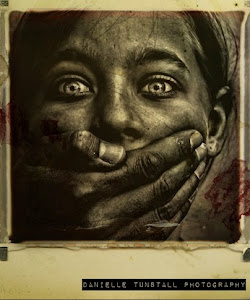 The Lost Children: A Charity Anthology