Reading #1:
a) The story was okay to good.
b) The story was great
c) The story really sucked
Because of time restrictions, if (a) is the initial reaction, move along. If (b) or (c) is reached, proceed to Reading #2 to find out why.
I’ve been putting a very small dent in my reading load, and I find the easiest way to do even that is by going first through some of the anthologies of contemporary short stories and poetry. Obviously, the above formula for reading cannot be followed entirely with novels, but in that case, reading must be done with both purposes in mind, keeping the analytical mind open and picking away simultaneously with the section of the brain that reads strictly for pleasure or information.
This story in the Fall/Winter No. 84/85 issue of Confrontation intrigued me, and I instantly knew why after the first reading. Without regard for other elements of writing or story arc, etc., except to say that it was well written and interesting, the aspect that struck me while and after reading was the amazing interweaving of time and space, worlds of place in past, present and future, not in actual timeline sequencing, but their value and meaning to both the story and the characters involved. The story is “Good Guys, Bad Guys,” by William D. Schaefer (p. 217).
In “Good Guys, Bad Guys,” Margaret and Charles are a couple comfortably married for thirty-five years, now planning their vacations which will for the first time be taken separately this year. Thus, we have already been exposed to their past, present, and future. Another interplay of time is the difference in their ages, she seeking adventure at 57, he “an increasingly cranky 67.” Here we get the first indication of eras in time as well as one character moving toward the future, one towards the past in their vacation choices (she, Peru, he, Germany) which will be set, of course, in their simultaneous future. Agreeably, they embark from the central point of JFK airport, and from there they travel in separate spaces of time and place.
Continue reading →
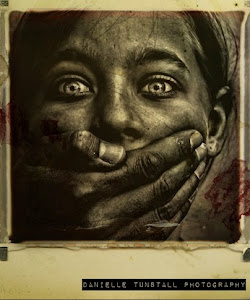 The Lost Children: A Charity Anthology